 Skip to content

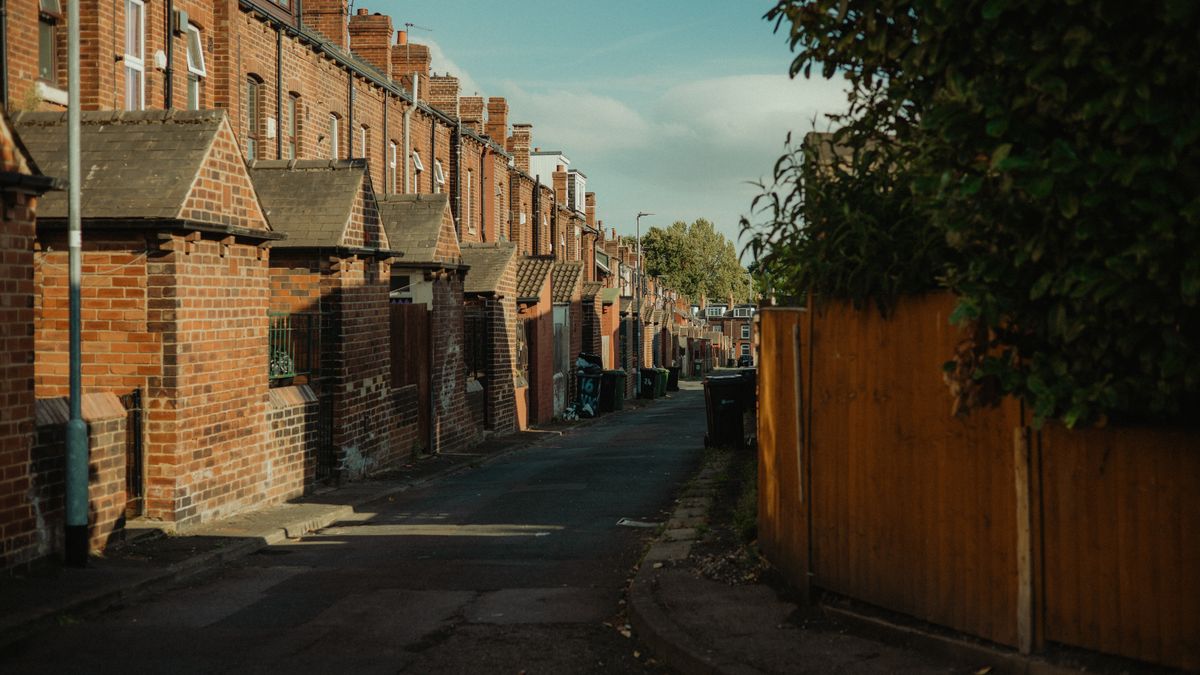
Terraced houses. Photo for illustration. Photo from Pexels.
Airbnb vs long-term let is a trade-off between income and effort. A short let can earn more per month but has higher costs, more work and variable income. A long-term let gives steadier rent with fewer costs, but since May 2026 tenancies have no fixed end and need a legal reason to end.
Jump to
How do short lets and long-term lets compare?
Short lets and long-term lets differ on almost every cost line, not just income.
| Short let | Long-term let | |
|---|---|---|
| Income | Higher nightly rates, variable occupancy | Fixed monthly rent |
| Bills | Owner pays utilities and Wi-Fi | Tenant usually pays |
| Council tax | Owner, or business rates if qualifying | Tenant |
| Furnishing | Fully furnished and equipped | Often unfurnished |
| Cleaning | Every changeover | Tenant’s responsibility |
| Ending it | Booking by booking | Legal reason needed since May 2026 |
Is a short let taxed differently from a long-term let?
Not any more. Since the furnished holiday let regime was abolished on 6 April 2025, short-let income is taxed under the same rules as other residential lettings. Mortgage interest relief is restricted to a basic-rate tax credit for both.
See the GOV.UK guidance for self-catering homes and our guide to Airbnb tax in the UK.

Keys in the door. Photo for illustration. Photo from Pexels.
How has the Renters’ Rights Act changed the choice?
Since 1 May 2026, most new tenancies are periodic, section 21 has ended, and rent can only rise once a year. Some landlords now prefer short lets or company lets, which do not create assured tenancies with individual occupiers.
Short lets have their own rules, including fire safety duties and a national registration scheme expected from March 2027. See our guide to Airbnb rules in the UK.
Which option suits which owner?
A long-term let suits owners who want low effort and steady rent. A short let suits owners in strong locations who can handle variable income, or who use a manager or guaranteed rent operator.
Long-term let suits
Owners wanting low involvement, homes in residential areas with steady rental demand.
Short let suits
Homes near hospitals, business parks, stations or visitor areas, where weekly and nightly demand is strong.
Guaranteed rent suits
Owners who like short-let locations but want fixed income without the work.
Tips before switching from a long let to a short let
Check the mortgageA buy-to-let mortgage may not allow short lets. You may need a holiday let mortgage or lender consent.
Plan the tenancy endingEnding an existing tenancy now needs a legal ground and the right notice. Take advice first.
Budget for furnishingShort lets need a fully furnished, equipped home. See our furnishing checklist.
Frequently asked questions
Is Airbnb more profitable than renting long term?
It can be in strong locations, but not always after costs. Short lets earn higher nightly rates, but the owner pays bills, cleaning, furnishing and either council tax or business rates. Compare twelve months of realistic income and costs for both before deciding.
Can I switch my buy-to-let to a short let?
Possibly, but check your mortgage terms, your lease if leasehold, your insurance and any planning requirements first. If a tenant is in the property, ending the tenancy now needs a valid legal ground and notice under the Renters’ Rights Act.
Do I pay council tax on a short let?
You pay council tax unless the home qualifies for business rates by being available for 140 days and let for 70 days in a year. Many councils now charge a premium of up to 100% on furnished second homes that are not anyone’s main residence.
Is guaranteed rent a middle ground?
Yes, for many owners. Guaranteed rent gives fixed monthly income like a long let, while the home is run as a short let by the operator. The operator takes the risk of empty nights and usually pays the running costs.
Next step
Weighing up a short let?
Tell us about your property, and we will explain how guaranteed rent compares with a long-term let.
