 Skip to content


Photo for illustration. Photo from Pexels.
Airbnb rules in the UK for 2026 cover fire, gas and electrical safety, planning, insurance and consent from lenders and freeholders. London limits whole-home lets to 90 nights a year without planning permission. In England, a national short-let registration scheme is expected to start in March 2027.
This is a general guide, not legal adviceRules differ in England, Scotland, Wales and Northern Ireland, and change over time. Check GOV.UK and your council before you start.
Jump to
What safety rules apply to Airbnb homes?
Airbnb homes in England must meet fire safety law, and owners should follow gas and electrical safety guidance. Fire safety is the area most often missed.
| Area | What it means |
|---|---|
| Fire safety | A fire risk assessment under the Regulatory Reform (Fire Safety) Order 2005, with suitable alarms and escape routes |
| Gas safety | An annual check by a Gas Safe engineer on every appliance and flue |
| Electrical safety | Safe wiring and appliances, with periodic inspection |
| Carbon monoxide | Alarms in rooms with fuel-burning appliances |
| EPC | Check whether your home needs an energy performance certificate |
See the GOV.UK rules for self-catering homes in England.
Read our guide to Airbnb fire safety in the UK for the detail.
Do you need planning permission for an Airbnb?
In England, your local planning authority decides whether short letting needs planning permission, based on how the home is used and its effect on neighbours. There is no national short-let planning class in force in England.
In London, whole-home short lets are limited to 90 nights a year without planning permission, under section 44 of the Deregulation Act 2015.
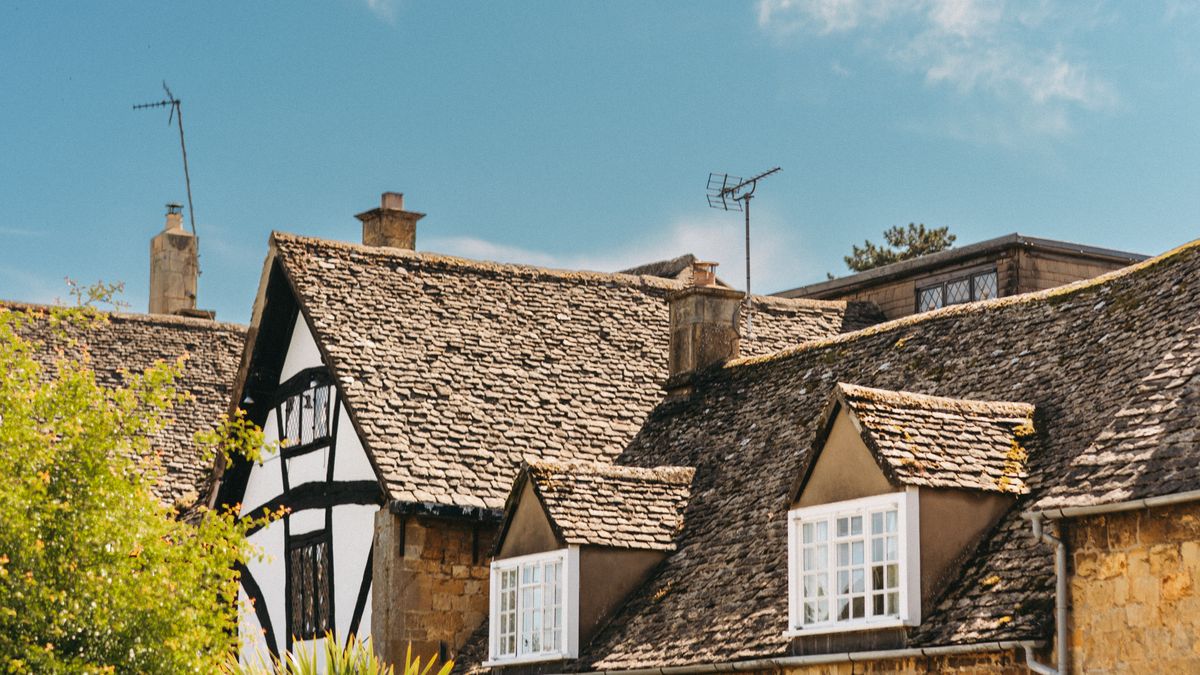
Check planning and listed building rules for older homes. Photo from Pexels.
Is there a register for Airbnb homes in England?
Not yet. The government is introducing a mandatory national registration scheme for short lets in England, now expected to start in March 2027. Hosts will need to register each property.
Scotland already requires a short-term let licence, and Wales has its own rules, so check the right scheme for each property.
What permissions do you need from lenders, freeholders and insurers?
You usually need consent from your mortgage lender, your freeholder if the home is leasehold, and your insurer. Many standard policies and mortgages do not cover short lets.
0 of 5 checked
How does guaranteed rent handle the rules?
Under a company lease, the operator runs the home day to day and handles guest-facing safety, such as alarms checks and fire information. Owners still need the right consents and building insurance.
- Esho Stays becomes your tenant under a company lease
- Rent is paid in full every month, even if the property is empty
- We list the home across major booking platforms and our direct network of more than 30 companies
- We handle bookings, guest screening, communication, cleaning and maintenance
- Regular inspections, with cleaning between every stay
- A landlord dashboard showing upcoming bookings and performance
See our guide to Airbnb property management.
Frequently asked questions
Do I need a licence to run an Airbnb in England?
England does not yet have a short-let licence or register, but a mandatory national registration scheme is expected from March 2027. Scotland already requires a licence. In England, you must still meet fire safety law and check planning, mortgage, lease and insurance requirements.
Does the 90-night rule apply outside London?
No. The 90-night yearly limit on whole-home short lets without planning permission applies only in Greater London. Elsewhere in England, your local planning authority decides whether short letting needs permission, based on how the property is used.
Do I need a fire risk assessment for my Airbnb?
Yes. If you let your home to paying guests, you are responsible for fire safety under the Regulatory Reform (Fire Safety) Order 2005. That includes carrying out a fire risk assessment and providing suitable alarms and escape routes, following the government guidance for small paying guest accommodation.
Can my freeholder stop me running an Airbnb?
Possibly. Many leases restrict use to a private residence or ban short lets and business use. Check your lease and ask the freeholder or management company for consent before starting, as breaching the lease can put the property at risk.
Next step
Want help with a compliant short let?
Tell us about your property, and we will explain how we run homes under guaranteed rent.
