 Skip to content


Photo for illustration. Photo from Pexels.
Airbnb fire safety in the UK is a legal duty. If you let a home to paying guests, you must carry out and record a fire risk assessment under the Regulatory Reform (Fire Safety) Order 2005. You must also provide suitable alarms and clear escape routes, following government guidance for small paying guest accommodation.
This is a general guideFire safety depends on the layout of each property. Follow the government guidance and ask your local fire and rescue service if unsure.
Jump to
What fire safety law applies to Airbnb hosts?
Airbnb hosts in England and Wales are responsible people under the Regulatory Reform (Fire Safety) Order 2005, because they provide accommodation to paying guests. That applies however the home is advertised.
The government guide Making your small paying guest accommodation safe from fire took effect on 1 October 2023. It covers smaller premises, with no more than 10 people or two floors. Larger or more complex homes follow the sleeping accommodation guide.
What should an Airbnb fire risk assessment cover?
A fire risk assessment identifies what could start a fire, who is at risk and what you have done to reduce the risk. You must record it in writing.
- Identify hazards. Cooking, heating, electrics, candles and smoking.
- Identify people at risk. Guests who do not know the layout, children and anyone with limited mobility.
- Check detection and warning. Smoke and heat alarms suited to the home, tested regularly.
- Check escape routes. Clear, simple routes, with keys for any locked doors easy to find.
- Provide information. Fire instructions for guests, such as on the back of a bedroom door.
- Record and review. Write it down and review it after any change or at least yearly.
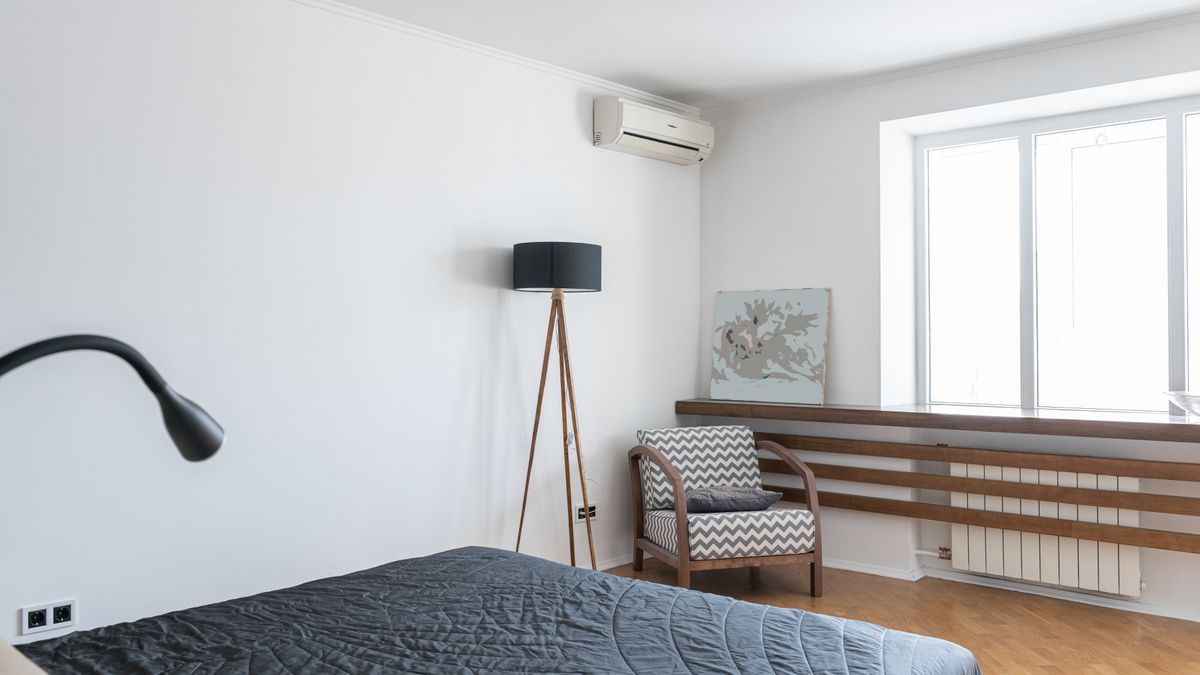
Check escape routes from every bedroom. Photo from Pexels.
What fire safety equipment does an Airbnb need?
The equipment you need depends on your risk assessment, but most short lets need working alarms, a fire blanket in the kitchen and clear guest information.
0 of 7 checked
Where can Gloucestershire hosts get fire safety advice?
Gloucestershire Fire and Rescue Service publishes advice for paying guest accommodation. See its paying guest accommodation page.
Read our wider guide to Airbnb rules in the UK for the other duties hosts have.
How does Esho Stays handle fire safety?
In the homes we run, we keep fire safety records, test alarms between stays and give every guest fire information. Owners keep responsibility for the building, so the lease sets out who does what.
- Esho Stays becomes your tenant under a company lease
- Rent is paid in full every month, even if the property is empty
- We list the home across major booking platforms and our direct network of more than 30 companies
- We handle bookings, guest screening, communication, cleaning and maintenance
- Regular inspections, with cleaning between every stay
- A landlord dashboard showing upcoming bookings and performance
See our guide to Airbnb property management.
Frequently asked questions
Do I need a fire risk assessment for my Airbnb?
Yes. If you let your property to paying guests, you are a responsible person under the Regulatory Reform (Fire Safety) Order 2005. You must carry out a fire risk assessment, record it, act on what it finds and review it regularly.
Do Airbnb homes need interlinked smoke alarms?
The right alarm system depends on your fire risk assessment and the size and layout of the home. Many short lets benefit from interlinked alarms so a fire in one room is heard throughout. Follow the government guidance for small paying guest accommodation.
Do I need a fire extinguisher in my Airbnb?
A fire blanket in the kitchen is commonly recommended. Whether you need extinguishers depends on your risk assessment and the property. If you provide them, make sure they are suitable, maintained and that guests know where they are.
Is my furniture fire-safe for short lets?
Upholstered furniture and furnishings supplied in accommodation should meet the Furniture and Furnishings (Fire) (Safety) Regulations and carry the correct labels. Check labels when buying second-hand items, and replace anything without them.
Next step
Want a compliant, managed short let?
Tell us about your property, and we will explain how we run homes under guaranteed rent.
