 Skip to content

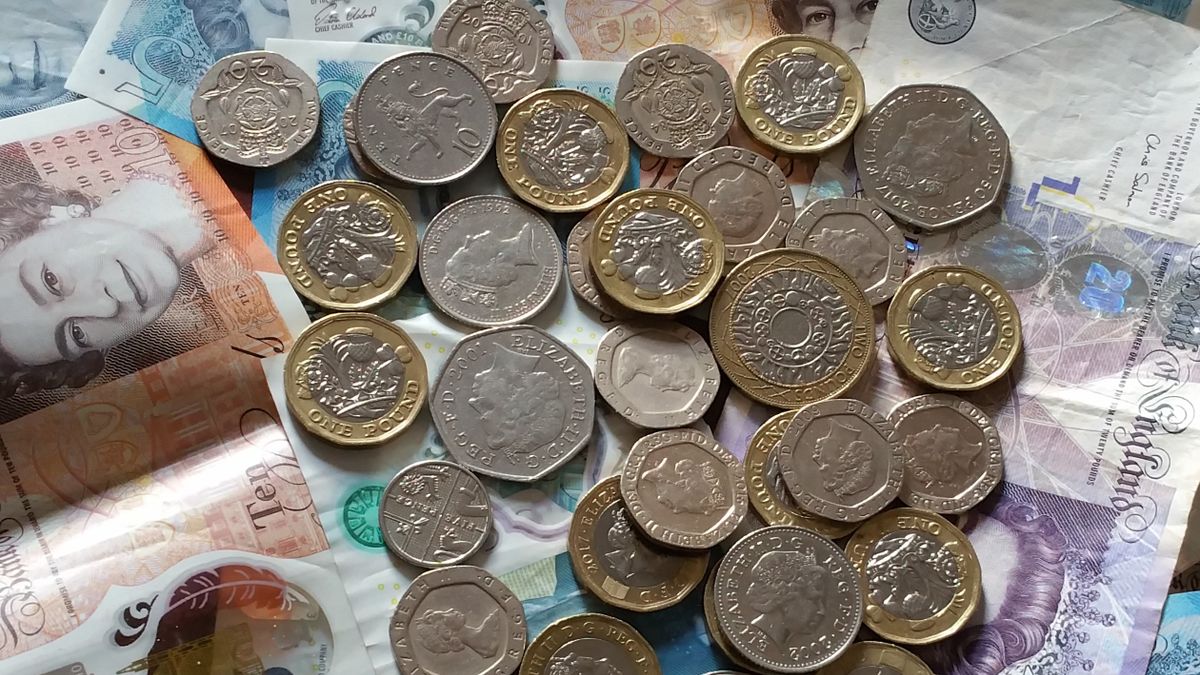
Photo for illustration. Photo from Pexels.
Airbnb tax in the UK changed on 6 April 2025, when the furnished holiday let regime ended. Short-let income is now taxed like other residential lettings, with mortgage interest relief limited to a basic-rate credit. Property income tax rates are due to rise to 24%, 44% and 49% from April 2027.
This is a general guide, not tax adviceTax depends on your circumstances and the rules change. Speak to an accountant before you make decisions.
Jump to
What changed when the holiday let tax regime ended?
When the furnished holiday let regime ended on 6 April 2025, short lets lost their special tax treatment. They are now part of your ordinary property business.
| Area | Before April 2025 (qualifying holiday lets) | Now |
|---|---|---|
| Mortgage interest | Fully deductible | Basic-rate tax credit only |
| Furniture and equipment | Capital allowances | Replacement of domestic items relief |
| Capital gains reliefs | Business asset reliefs available | Not available for new disposals |
| Pension contributions | Profits counted as relevant earnings | Not counted |
Source: GOV.UK self-catering guidance and HMRC manuals.
What income tax rate do Airbnb hosts pay?
Airbnb hosts pay income tax on profits at their usual rates for now. From 6 April 2027, separate property income rates of 24%, 44% and 49% are due to apply. They cover England, Wales and Northern Ireland, following the Autumn Budget on 28 October 2026.
The new rates were reported as subject to legislation passing. See Mortgage Strategy’s Budget report and check HMRC for the final position.

Diary the tax year changes. Photo from Pexels.
What allowances can Airbnb hosts use?
Two allowances can help smaller hosts. The property income allowance covers up to £1,000 of property income a year. Rent a Room relief covers up to £7,500 a year for furnished rooms in your own home.
- Property income allowance: up to £1,000 a year, instead of claiming expenses
- Rent a Room: up to £7,500 a year for letting furnished space in your main home
- Allowable expenses: cleaning, utilities, insurance, repairs and management fees
- Replacement of domestic items relief: for replacing furniture and appliances
Do Airbnb hosts need to register for VAT?
You must register for VAT if your taxable turnover goes over £90,000 in a rolling 12 months. Short-term holiday accommodation is generally standard-rated, so most single-property hosts stay below the threshold.
Making Tax Digital for Income Tax is also being phased in for landlords with higher property and self-employment income. Check whether it applies to you with your accountant.
How is guaranteed rent taxed?
Under guaranteed rent, you receive a fixed rent from the operating company, which is taxed as property income in the same way. The operator handles the booking income and its own tax.
- Esho Stays becomes your tenant under a company lease
- Rent is paid in full every month, even if the property is empty
- We list the home across major booking platforms and our direct network of more than 30 companies
- We handle bookings, guest screening, communication, cleaning and maintenance
- Regular inspections, with cleaning between every stay
- A landlord dashboard showing upcoming bookings and performance
Read our comparison of guaranteed rent and Airbnb management, or short lets versus long-term lets.
Frequently asked questions
Do I pay tax on Airbnb income in the UK?
Yes. Airbnb income is taxable in the UK. Since 6 April 2025, short-let income is taxed under the usual residential property rules. You report it through Self Assessment, after allowable expenses, unless your gross property income is within the £1,000 property allowance.
Can I still deduct mortgage interest on a short let?
Not in full. Since the furnished holiday let regime ended in April 2025, mortgage interest on short lets gets the same treatment as other residential lets. Relief is given as a tax credit at the basic rate, rather than deducting the interest from profits.
Does Rent a Room apply to Airbnb?
Rent a Room relief can apply if you let furnished accommodation in your own main home, including short stays. It covers up to £7,500 a year. It does not apply to a whole property that is not your home, such as a separate flat or second home.
Will property tax rates go up in 2027?
Separate property income tax rates are due to apply from 6 April 2027. Following the Autumn Budget on 28 October 2026, they were reported as 24%, 44% and 49% in England, Wales and Northern Ireland, subject to legislation. Check HMRC for the confirmed rates.
Next step
Prefer a simpler income?
Tell us about your property, and we will explain how a fixed guaranteed rent could work for you.
